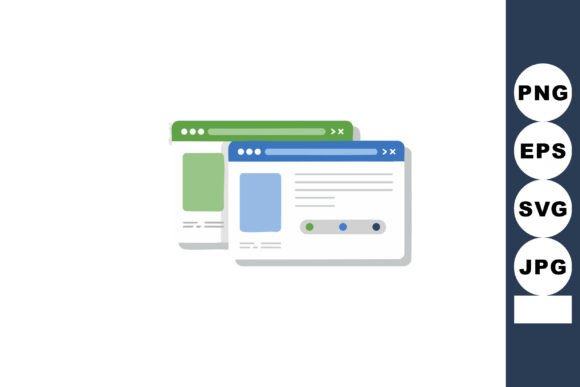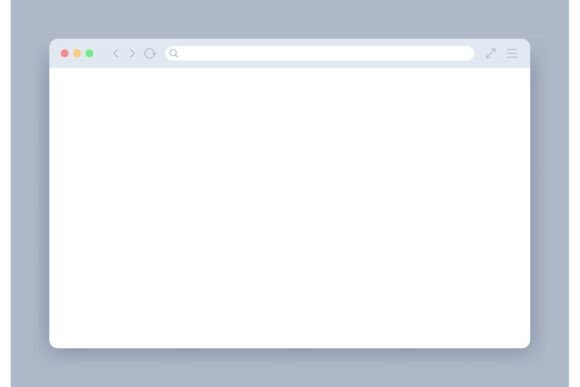
Browser Window. Blank Web Interface: The Essential Design Foundation
In the fast-paced ecosystem of digital product development, the ability to visualize concepts before a single line of code is written can determine the success or failure of a project. This is where the Browser Window. Blank Web Interface becomes an indispensable asset for professionals across the tech and creative sectors. Far more than a simple graphic, this vector template serves as a structural canvas, allowing designers, developers, and strategists to map out user experiences with precision and clarity. Whether you are a startup founder pitching to investors, a UX designer refining a navigation flow, or a marketer creating campaign assets, understanding the utility of a blank web interface mock screen is critical for efficient workflow management.
The Strategic Value of a Blank Canvas
The primary strength of a Browser Window. Blank Web Interface lies in its neutrality. In design, pre-existing visual elements often bias decision-making. A fully styled template might tempt a team to focus on color palettes or typography before the underlying information architecture is sound. By utilizing a blank frame tab page, teams are forced to confront the core structure of their content first. This approach aligns with established UX methodologies that prioritize hierarchy and usability over aesthetic decoration in the early stages of ideation.
For entrepreneurs and small business owners, this tool offers a tangible way to communicate abstract ideas. When discussing a new website with a non-technical stakeholder, showing a wireframe within a realistic browser window context bridges the gap between concept and reality. It provides a shared visual language that clarifies scope, defines feature sets, and manages expectations without the distraction of final polish. The empty network page acts as a neutral ground where functionality takes precedence, ensuring that the product roadmap remains focused on solving user problems rather than indulging in visual flair prematurely.
Anatomy of a Professional Mockup Template
A high-quality Browser Window. Blank Web Interface is characterized by its attention to detail and versatility. Effective templates typically include standard browser chrome elements such as the address bar, back/forward navigation buttons, refresh icons, and tabs. These components provide immediate context, signaling to the viewer that the content exists within a web environment. The inclusion of realistic borders and subtle drop shadows adds depth, making the mockup appear three-dimensional and grounded in reality.
Furthermore, the best vector templates are modular. They allow users to easily swap out device frames, transitioning from a desktop monitor view to a laptop or even a tablet interface while maintaining consistency in the internal layout. This flexibility is crucial for responsive design planning. By using a single source file that adapts to different screen sizes, designers can quickly demonstrate how a website will behave across various devices. The presence of icons for computer, laptop, and mobile devices within the same asset library streamlines the presentation process, ensuring that the brand message remains cohesive regardless of the viewing platform.
Practical Applications in Real-World Workflows
The utility of a Blank web interface mock screen extends well beyond the initial brainstorming phase. In professional agencies, these templates are frequently used for client presentations. Instead of delivering a dry list of requirements, a designer can present a series of blank frames filled with placeholder text and basic shapes. This visual representation allows clients to "see" the site before it is built, facilitating faster feedback loops and reducing the likelihood of costly revisions later in the development cycle.
For educators and content creators, these tools serve as excellent teaching aids. Explaining complex web standards, CSS grid systems, or HTML structures becomes significantly easier when anchored to a visual representation of a browser window. Students can better grasp the relationship between the viewport, the document object model (DOM), and the surrounding browser UI when they have a clear, uncluttered reference point. Similarly, bloggers and publishers use these mockups to plan editorial layouts, testing different arrangements of headlines, images, and sidebar widgets to optimize readability and engagement metrics.
Evaluating Quality and Usability
When selecting a Website blank frame tab page element, quality is paramount. A poorly constructed vector file can hinder productivity rather than enhance it. Look for templates that are organized with logical layer naming conventions, grouped elements, and scalable paths. If the anchor points are messy or the layers are flattened, editing the file becomes a tedious exercise in troubleshooting rather than a smooth design process. High-resolution output is also essential; the graphics must remain crisp when scaled up for large-format prints or down for social media thumbnails.
Consistency is another key factor. The icons included in the browser window—such as the lock symbol for HTTPS or the bookmark star—should adhere to current web standards. Using outdated iconography can make a modern project look obsolete before it launches. A reliable template will offer variations that reflect contemporary browser designs, including support for dark mode interfaces or minimalist chrome styles. This ensures that the mockup accurately represents the current state of web technology, lending credibility to your presentation.
Who Benefits Most from This Resource?
The Browser Window. Blank Web Interface is particularly valuable for freelancers and independent contractors who need to present polished work without the overhead of full-scale prototyping software. For a solo developer or a boutique agency, time is a scarce resource. Using a pre-made vector template allows them to generate professional-looking deliverables in minutes, freeing up time for actual coding and strategy. It levels the playing field, enabling smaller operations to compete visually with larger corporations that have dedicated design departments.
Marketers and product managers also find immense value in these assets. During sprint planning or marketing campaigns, the ability to quickly sketch out a landing page or a feature announcement within a browser frame helps align cross-functional teams. It creates a focal point for discussion, ensuring that everyone—from copywriters to engineers—is looking at the same vision. For serious hobbyists building personal portfolios, these templates provide a structured way to showcase projects, giving them a professional edge that distinguishes their work from amateur attempts.
Navigating Limitations and Best Practices
While the Empty network page with border and icons is a powerful tool, it is not a replacement for interactive prototyping. Static mockups cannot convey micro-interactions, animation states, or dynamic data loading behaviors. Users should be aware that a blank interface is a starting point, not a finish line. To maximize effectiveness, these templates should be integrated into a broader design system that includes interactive prototypes and functional code snippets.
Additionally, there is a risk of over-reliance on static visuals. Teams must ensure that the decisions made based on these mockups are validated through user testing. A beautiful layout in a vector file does not guarantee a good user experience. Therefore, the Browser Window. Blank Web Interface should be viewed as a communication and planning tool rather than a definitive specification document. Its true power is realized when it serves as a bridge between abstract ideas and concrete implementation, fostering collaboration and clarity throughout the development lifecycle.
Ultimately, the decision to incorporate a Browser Window. Blank Web Interface into your toolkit depends on your specific needs for visualization and communication. For those seeking to streamline their design process, improve client presentations, and maintain a focus on structural integrity, this resource offers significant long-term value. By providing a clean, adaptable, and professional foundation, it empowers creators to build better digital products with confidence and precision. Whether you are launching a new venture or refining an existing platform, the right blank canvas can be the catalyst for your most successful projects yet.